The Du-Rag Material Guide: What You Need to Know Before Buying One Online
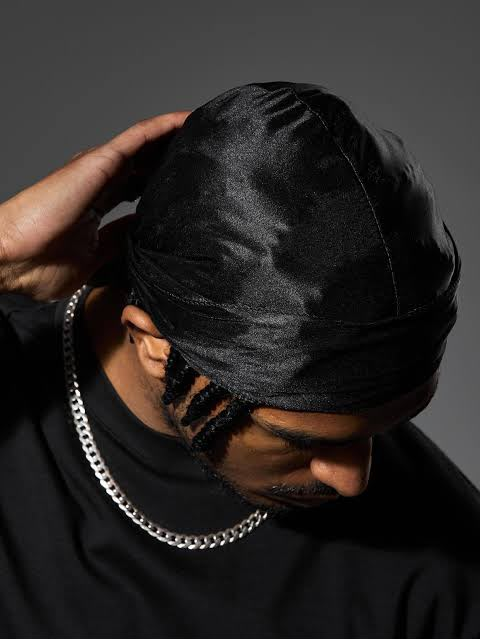
Summary:
Choosing the right du-rag comes down to material, not just style. This guide breaks down satin, velvet, designer, and mesh fabrics, explaining what each one offers for wave formation, overnight comfort, or everyday wear, plus what to check before buying online to avoid picking the wrong one.
Scrolling through du-rags online, you’ll grab whatever colour catches your eye and skip right past the material, most people do. The thing is, the fabric matters way more than people give it credit for. It decides how well your waves form, how your hair feels in the morning, and honestly, how long the thing lasts before it’s falling apart. It’s worth knowing what you’re actually buying before you hit checkout, since a photo won’t tell you much about how a fabric actually performs.
Why Material Matters More Than You’d Think
Not every du-rag does the same job. Some are built for compression and getting waves going, others are there for comfort through the night, and a few, let’s be honest, are mostly about looking good. The material’s what decides which of these it’s actually built for. Get it wrong, and you could end up with something that photographs great but does basically nothing for your hair.
The Main Types of Du-Rag Material
-
Satin and silky fabrics – This fabric type is smooth, light, and feels gentle on the hair. Satin and silky du-rags are a good shout if moisture control matters to you, keeps hair from drying out overnight, which is exactly why they’re such a go-to for everyday wear
-
Velvet – Heavier and thicker than satin, and it holds waves down with more force. Velvet du-rags don’t breathe as well, though, so shorter sessions suit them better than sleeping in one all night
-
Designer or silk-blend styles – Usually a mix of materials chosen for the look as much as anything else. Designer du-rags lean into style just as hard as function, so don’t assume the fabric performs the same as a plain satin rag; check first
-
Mesh or cotton-based rags – Breathe well, but soak up moisture instead of locking it in; not great if that’s what you’re actually after
What to Check Before You Buy
-
Whether the listing even names the material; “premium fabric” alone tells you nothing
-
Whether it’s meant for waves, sleep, or just style
-
Reviews that mention how it’s held up after a few washes
-
Sizing info: compression only really works when the fit’s right
Wherever you’re shopping from in the North America, you can browse our du-rag range online and check exactly what each one is made from before you buy. As a trusted online du-rag store, we make a point of listing the fabric clearly on every product page. No guessing games about what you’re actually getting.
Matching Material to Purpose
Chasing waves? Go with velvet or a firmer satin blend. Mostly sleeping in it, a soft satin or silky rag protects hair without overheating. Just want something that looks good day-to-day? Designer styles usually split the difference well enough.
Material comes first here; style’s a distant second. We’d rather you actually know what you’re buying than guess based on a product photo. Still unsure which fabric fits what you need? Feel free to contact us, and we will guide you in the best way possible.